
Fake cameras are surveillance devices that appear identical to real surveillance cameras but do not capture video. These cameras can be used to deceive people into believing they are under surveillance, which can deter them from committing criminal acts or simply make them uneasy. If you suspect that a fake camera is aimed at you, there are a few ways to check.
Different types of fake cameras
Fake cameras are surveillance devices that are not real but resemble a real surveillance device. They are generally used to deter people from committing crimes or to make them feel safer. There are different types of fake cameras, each with its own advantages and disadvantages.
The most common fake cameras are LED fake cameras. These cameras are usually battery-powered and can be easily installed anywhere. Most LED fake cameras have plastic lenses, making them easy to spot. However, some LED fake cameras have glass lenses, which makes them harder to detect.
The advantages of fake cameras are numerous. Fake cameras are generally cheaper than real surveillance cameras and can be installed quickly and easily. Moreover, fake cameras typically deter people from committing crimes or help them feel safer.
The disadvantages of fake cameras are also numerous. Fake cameras do not provide real surveillance and therefore cannot help prevent or solve a crime.
Where are fake cameras generally placed?
Fake cameras are typically placed in strategic locations, such as intersections, parking lots, and building entrances. They can also be placed in more discreet locations, such as walkways and staircases. Fake cameras can be difficult to spot, but there are some clues that can help you.
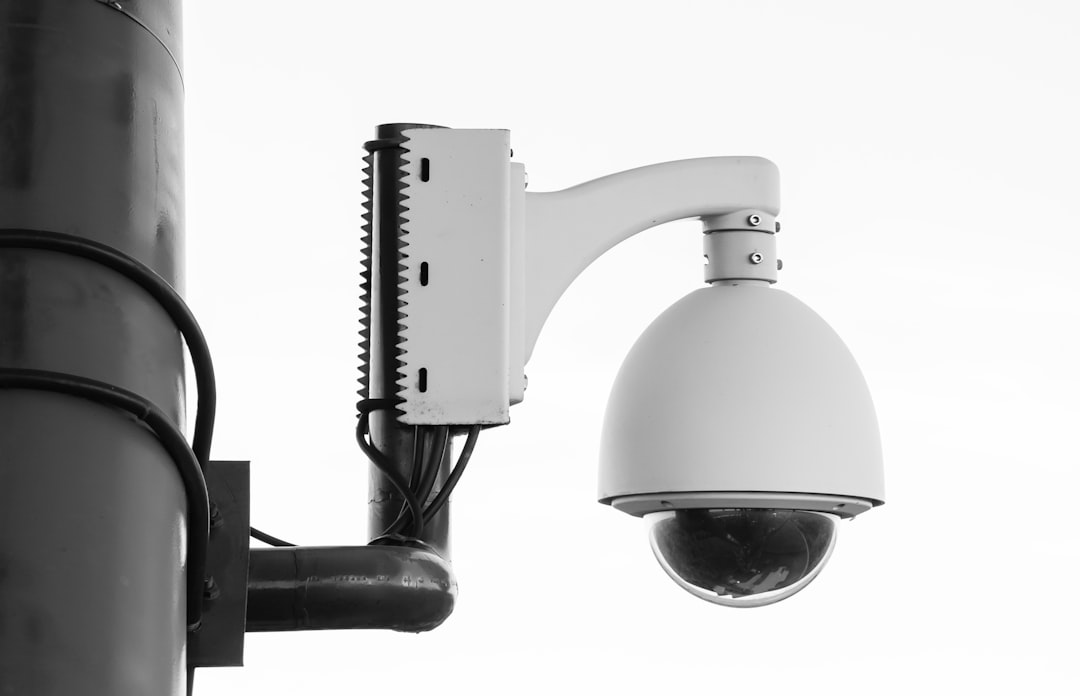
How to spot a fake camera?
Surveillance cameras have become so common that we hardly stop to notice them. But what about fake cameras? These devices are generally cheaper than real cameras and can be bought in many stores or online. They often closely resemble real cameras, which can make identifying them difficult. Fortunately, there are a few ways to spot a fake camera.
First, take a closer look at the device. Fake cameras usually have a lens that is much smaller than real cameras. Additionally, they do not have reflective lenses, and their casing is often made of cheap plastic. Real cameras typically have larger lenses and casings made of metal or aluminum. Reflective lenses are also visible on real cameras.
Second, try to see if the camera is turned on. Fake cameras usually have a red or green light that blinks when they are on. If you do not see a light, it could indicate the camera is off or has never been on. Real cameras usually do not have a light because they are constantly on.
Finally, try to move the camera to see if it is securely attached to the wall or ceiling. Fake cameras are usually mounted loosely, making them easy to move. Real cameras are secured to the wall or ceiling with screws or bolts, making them much harder to move and thus steal.
The advantages and disadvantages of fake cameras
Fake cameras have many advantages. In fact, they are generally cheaper than real cameras and can be installed very easily. Additionally, they have the advantage of not requiring complicated wiring and can be easily moved if necessary.
On the other hand, they will not provide any real evidence in the event of a break-in or vandalism because they do not actually record. Moreover, if vandals or intruders are savvy enough, they can quickly spot a fake camera and simply ignore its presence. Furthermore, if fake cameras are poorly positioned or installed, they may give the impression that the property is less well protected than it actually is, thus making them counterproductive.