
The roof plays an important role in protecting a habitat. Exposed all the time to the elements, the roofing must always be able to withstand rain as allowing water inside the house means risking damage to ceilings, living spaces, walls, basements, etc.
Here are some methods to protect your home from humidity through water-repellent impregnation.
How does the water-repellent protect against humidity?
Depending on the construction materials used, your home can be waterproof or not. If it is not waterproof or has cracks that allow humidity to seep in, urgent waterproofing is necessary.
Waterproofing helps solve several comfort-related issues in a home. There are several types of defects caused by humidity: peeling paint, mold, damp spots, leaks, etc.
Before applying a water-repellent product, it is essential to ensure that the concrete is very porous to guarantee effective treatment. Waterproofing is the process by which water-repellent substances transform a permeable material into an impermeable one. This process allows the transformed material to block water.
As you know, humidity has an amazing ability to infiltrate any room. Whether it is on foundations, floors, or walls, it attacks everything. And it is usually noticed very late. This situation causes a lot of damage to the building and its occupants as well.
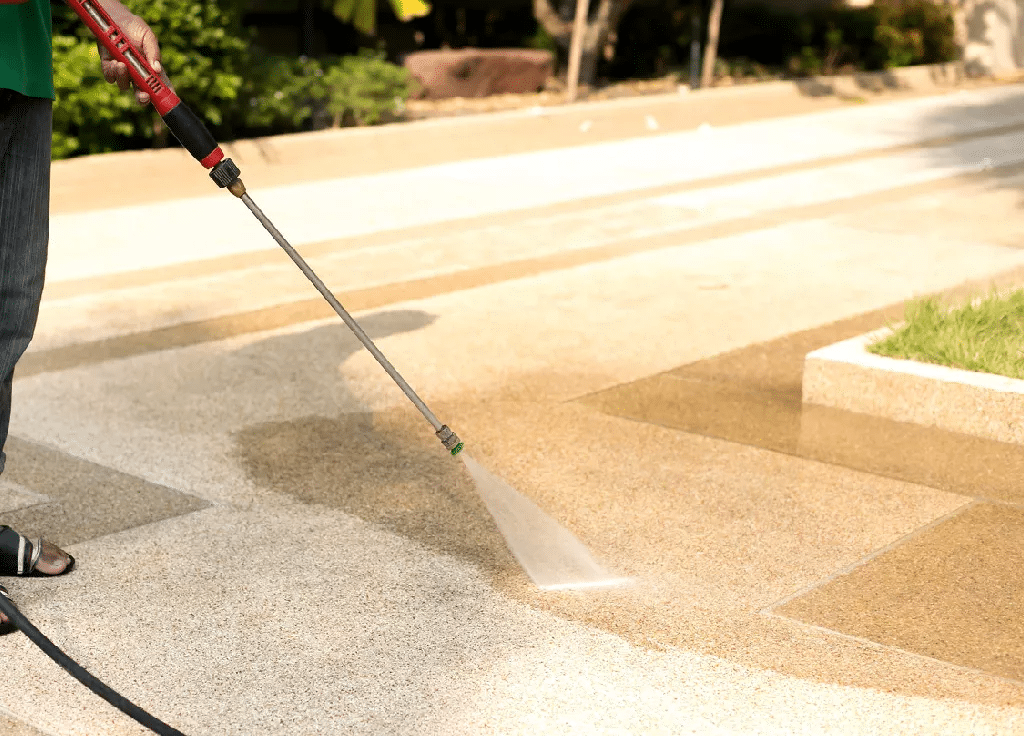
Impregnation of concrete floors is an effective way to combat humidity and water. Good waterproofing is necessary to extend the life of a slab.
This prevents the formation of mold and makes concrete resistant to cold and humidity. The role of the water-repellent is to maintain the concrete in its original state. It is also recommended to treat all types of cement slabs, concrete, or gravel.
It is very important to protect your home from humidity to maintain its value. Therefore, it is necessary to find the best spots in the room to apply the sealant. Focus should be on cracks and holes, doors, roof joints, pipes, gutters, windows, etc.
In order to prevent humidity in the house and avoid its harmful effects, it is recommended to install a fan for thermal comfort; to cover pots when cooking; to always remember to ventilate while cleaning as this will effectively protect your home from humidity; and to ensure that the walls, roof, etc., are waterproof.

How to prepare a water-repellent sealing product
Remember that before taking any action, you should assess the type of construction material used and identify the sensitive points of the house. This quick assessment allows you to ensure a better result. Subsequently, you need to address cracks mechanically (this is called patching) using the bridging system.
Finally, use the waterproofing treatment itself to ensure the effective protection of your home. Regarding the reliability of the waterproofing, make sure to seal the relevant areas.
To prepare a water-repellent sealing product, you will need:
- A metal container that can hold up to 20 liters of water,
- ½ a kilo of potassium alum,
- ½ a kilo of limes,
- 2 bars of white soap.
This preparation will occur in several steps.
First, confirm the presence of imperfections such as damp stains, fungi, or blisters that may lead to water infiltration and then clean them. This step is critical in the process because it is the cracks that allow water to seep in and create thermal bridges that simultaneously cause additional damage, making the house uncomfortable. It should also be noted that this situation can be a cause of increasing your heating bill.
Then fill a container halfway with water, add the limes, and bring it to a boil.
Remove the container from the heat. Grate the soap and add it to the mixture. Next, cut the alum into small pieces and place the result in the container. Mix all the ingredients until dissolved
Fill the cracks with a spatula.
Use the remnants of the bars of soap to fill these cracks, then apply the homemade water-repellent with a brush or a roller.
Allow to dry for 60 minutes, then apply a second coat of the water-repellent to ensure the waterproofing of your room.

Effects of humidity on health
The appearance of the first molds can be favored by high humidity levels in the air during periods of low ventilation. Whether they are white, green, or black, these tiny mushroom spots are unpleasant to see and can eventually spread a foul odor over time.
These fungi are indeed very dangerous to health. They are responsible for several diseases such as:
- Rhinitis
- Asthma
- Irritation of the eyes, nose, and throat
Rhinitis
This is an irritation and inflammation of the mucous membranes of the nasal cavity. Rhinitis can thus be categorized under allergies.
Asthma
It is indeed one of the most frequent consequences of humidity. It is an illness that affects the respiratory system through the bronchioles. Asthma is defined as difficulty in exhaling. It results from a bacterial or viral infection.
Irritation of the eyes, nose, and throat
Children are the most exposed to these diseases due to their health fragility. There is therefore no doubt about the numerous consequences of a home’s humidity on the health of its occupants. According to research conducted in France, it has been shown that the consequences can be infectious and toxic.
In reality, it is not humidity that makes one sick, but rather the molds that appear as a result of a humidity level exceeding 50%. It is these bacteria that are at the root of allergies and lead to various health issues.
Respiratory issues are generally caused by poor ventilation of the home. A study has proven that over 80% of children suffering from respiratory disorders live in damp and poorly insulated houses.
How to apply a water-repellent sealing product
Sealant is also a waterproofing product and is considered one of the best products that prevents water from seeping into your home. These components enhance its adhesion and flexibility. To effectively apply a waterproof sealant, it is recommended to:
- Remove the old sealant with a sharp tool.
- Clean the area of all residues. You can use alcohol.
- Acquire a high-quality caulking gun for optimal application.
- Place a support rod before applying the waterproof sealant if the space to fill is too large.
- Use a smoothing tool along the bead of sealant for a good finish.